

Santiago de Cuba is a city full of history, music and culture. With its colonial buildings, lively streets and special location between the mountains and the Caribbean Sea, this city shows a different side of Cuba.
Santiago de Cuba is located in the southeast of the island and is the second largest city in Cuba after Havana. The city was founded in 1515 and has played an important role in Cuban history.
Santiago is known for its musical traditions, including the son, trova and salsa. The city has its own character and a very different atmosphere from the west of Cuba.
What can you do in Santiago de Cuba?
Parque Céspedes and the historic center
Parque Céspedes is the historic heart of Santiago de Cuba.
Around the square, you will find several important buildings, including the Cathedral, the former Town Hall, and the Casa de Diego Velázquez.
It is a nice starting point to discover the historic center of the city.
Castillo de San Pedro de la Roca – El Morro
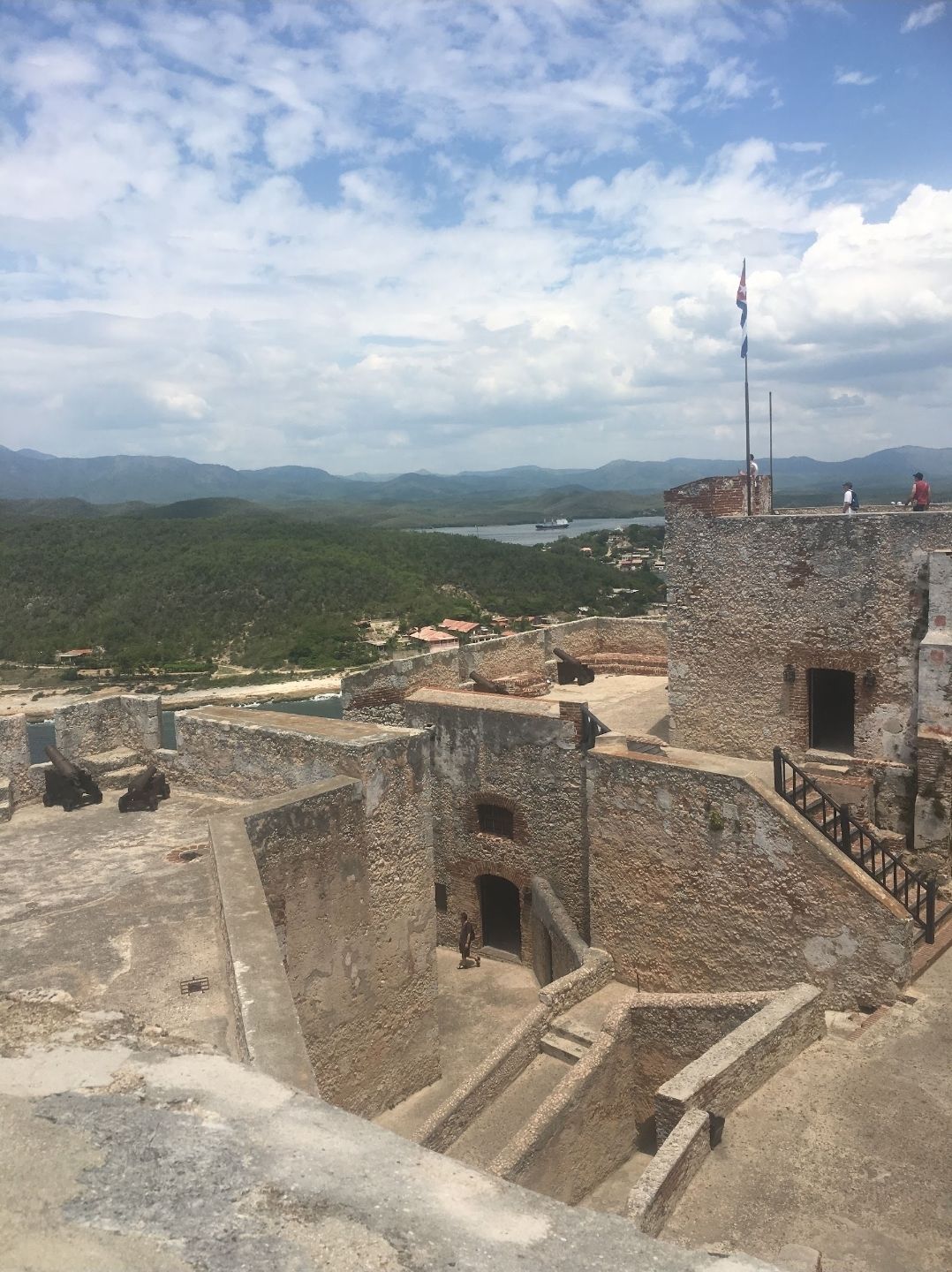
One of the most impressive sights of Santiago is Castillo de San Pedro de la Roca, also known as El Morro.
This historic fortress is located on a rocky hill at the entrance to Santiago Bay and is a UNESCO World Heritage Site.
The fort was built to protect the harbor and offers beautiful views of the Caribbean Sea.
Piet Hein and Cuba – a piece of Dutch history
Did you know that Cuba also occupies a special place in Dutch history?
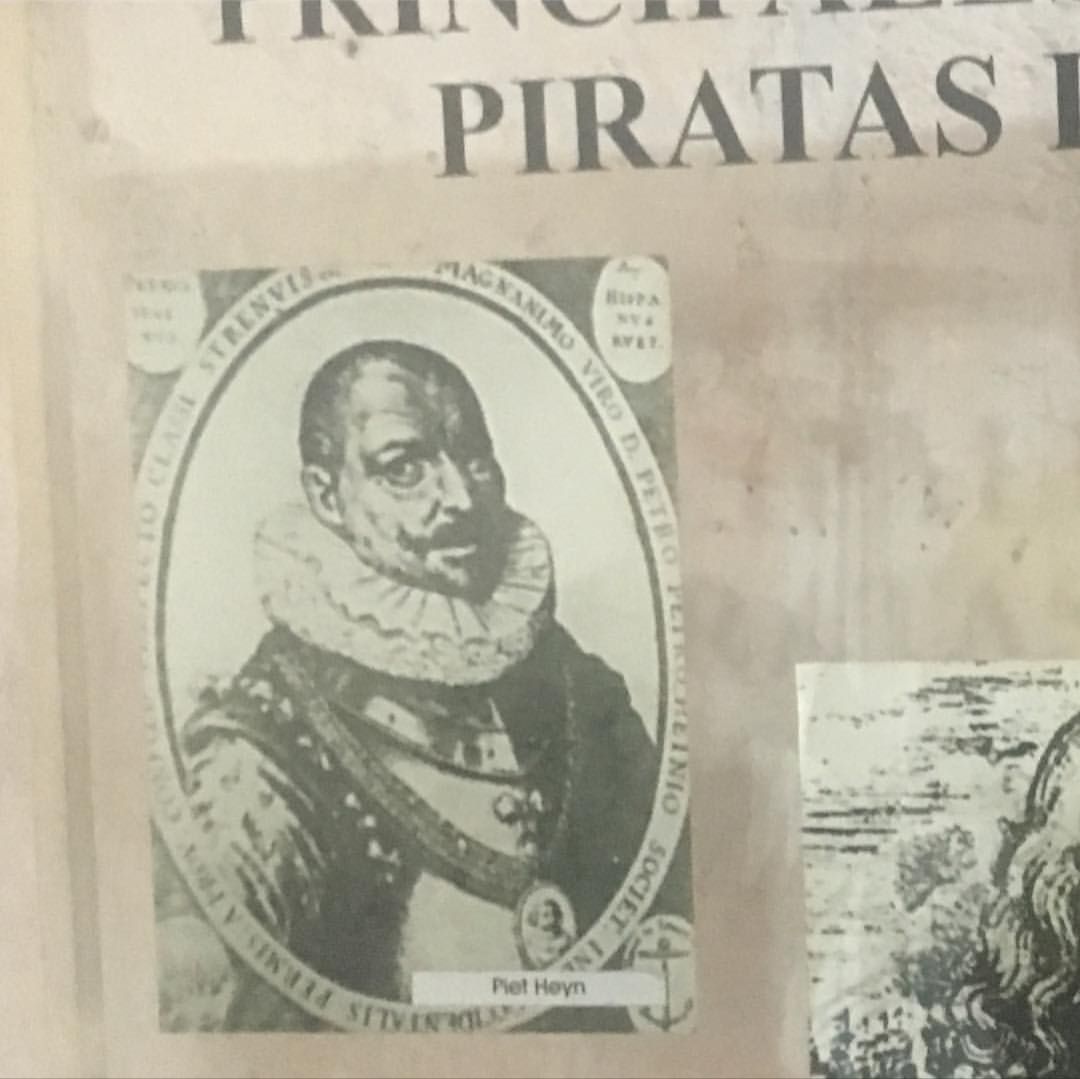
In 1628, the Dutch admiral Piet Hein captured the famous Spanish Silver Fleet in the bay of Matanzas, on the north coast of Cuba.
Many Dutch people still know this event from the history books.
Also at Santiago de Cuba you will find impressive memories of the time when European seafaring powers fought for power in the Caribbean.
The Castillo de San Pedro de la Roca, better known as El Morro, was built from 1638 to protect the port of Santiago from attacks from the sea.
During my visit to El Morro, I even came across a reference to the Dutch admiral Piet Hein in the fortress exhibition.
Cementerio Santa Ifigenia
This historic cemetery is an important place in Cuban history.
Here you will find the mausoleum of José Martí and the tombs of several well-known Cuban historical figures.
For travelers interested in history, this is a special place to visit.
Casa de la Trova and Cuban music
Santiago de Cuba has a rich musical tradition and is considered one of the most important musical cities of the island.
The Casa de la Trova is a well-known place for traditional Cuban music.
For music lovers, a visit to Santiago can be a special experience. Inquire in advance about current performances and opening hours.
El Cobre
Outside the city is El Cobre, best known for the Basílica de Nuestra Señora de la Caridad del Cobre.
This is one of the most important pilgrimage sites in Cuba and a special place because of its religious and cultural significance.
My personal experience with Santiago de Cuba
During my own journey through eastern Cuba, I stayed in Santiago de Cuba for only two nights.
Although the city has a lot of history and culture, I personally felt less comfortable there than in other places in Cuba.
That’s why I decided to quickly continue my journey to Baracoa, a destination that eventually became one of my favorite places on the island.
Of course, every traveler experiences a destination differently. If you love history, architecture and music, you can certainly find Santiago de Cuba interesting.
How long should you stay in Santiago de Cuba?
For a first visit, I would recommend staying about two nights.
This will give you the opportunity to visit the historic center and discover some important sights.
If you want to get to know the history and music of the city more deeply or make excursions in the area, you can stay longer.
Where to stay in Santiago de Cuba
Santiago offers several options for accommodation, including hotels and casas particulares.
I myself prefer small-scale accommodations with Cuban families.
When choosing a stay, it is important to pay attention to the location, accessibility and facilities, such as any emergency power.
Safety and practical information
As in any large city, it is wise to pay close attention to your personal belongings and inform yourself in advance about the area where you are staying.
I recommend arranging transportation in advance, avoiding secluded streets in the dark, and checking up-to-date local information.
Due to the problems with electricity, fuel and transport in Cuba, travel conditions can change quickly.
Therefore, always check the current official travel advice for Cuba before making travel plans.
From Santiago de Cuba to Baracoa
Santiago de Cuba can be combined with a visit to Baracoa, one of the most beautiful natural areas of eastern Cuba.
The route passes through Guantánamo and the famous La Farola mountain road.
Along the way, the landscape changes from dry mountain areas to the green tropical surroundings of Baracoa.
The availability of transport and the condition of the roads must be checked in advance.
Discover Eastern Cuba with local help
I live in Cuba myself and help travelers organize personal tours, with attention to local accommodations and reliable contacts.
Whether you want to visit Santiago de Cuba for its history or combine the city with Baracoa and Holguín, I’d be happy to help you plan your journey through Eastern Cuba.
Would you like to include Santiago de Cuba in a tour of Eastern Cuba?
Contact me at FranciscaTravel.com. Tell me when you want to travel and which destinations you want to discover. Together, we can explore the best travel options based on the current situation in Cuba.